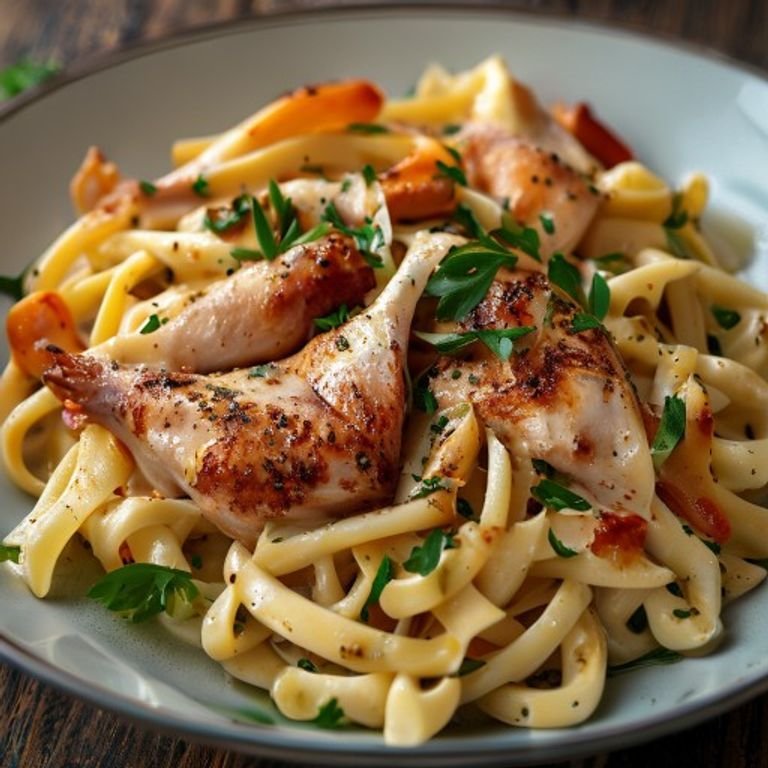
Chicken Alfredo: 7 Ultimate Tips for a Creamy Classic
Chicken Alfredo is a beloved classic that marries tender chicken with a velvety, buttery sauce. In this guide, we’ll walk you through every step—from selecting the finest ingredients to mastering the timing of the sauce—so you can create restaurant‑quality Alfredo right in your own kitchen.
Table of Contents
- Chicken Alfredo Introduction
- Chicken Alfredo Ingredients
- Chicken Alfredo Equipment
- How to Make Chicken Alfredo
- Chicken Alfredo Pro Tips
- Chicken Alfredo Variations
- Chicken Alfredo Storage Tips
- Chicken Alfredo FAQ
- Chicken Alfredo Video Tutorial
- Chicken Alfredo Conclusion
Chicken Alfredo Introduction
Chicken Alfredo has become a staple in comfort‑food menus worldwide. Its origin traces back to early 20th‑century Italy, where a simple sauce of butter, cream, and Parmesan was served with fettuccine. When Italian immigrants brought their culinary traditions to the United States, the dish evolved to include grilled or sautéed chicken, turning it into a hearty entrée that satisfies crowds at family dinners, special occasions, and even quick weekday meals. Today, you’ll find it featured on the menus of upscale restaurants and home‑cook blogs alike.
In this recipe, we’ll dissect the classic approach and sprinkle in seven proven techniques that elevate flavor, texture, and presentation. Whether you’re a novice or a seasoned chef, these insights will refine your Alfredo game.
Chicken Alfredo Ingredients
Below is a comprehensive list of the ingredients you’ll need. Quantities are tailored to serve four people. Feel free to adjust portions or substitute to match dietary preferences.
- 1 lb boneless, skinless chicken breasts (cut into bite‑sized pieces)
- Salt and freshly ground black pepper, to taste
- 2 tbsp olive oil (for searing)
- 3 tbsp unsalted butter
- 2 cloves garlic, minced
- 1 cup heavy cream (or whole milk for a lighter version)
- 1 cup freshly grated Parmesan cheese
- 1/2 cup whole milk (to thin the sauce, if needed)
- 2 tbsp all‑purpose flour (optional, for thickening)
- 1/2 tsp dried Italian seasoning
- 1/4 tsp red pepper flakes (optional, for heat)
- Fresh parsley, chopped, for garnish
- Fettuccine or linguine pasta (8 oz, cooked al dente)
While we’ve listed the traditional ingredients, you can explore various pasta recipes that pair well with this sauce. For a lighter spin, consider healthy recipe options that use low‑fat milk or Greek yogurt.
Chicken Alfredo Equipment
Having the right tools can streamline the cooking process and prevent mishaps. Here’s what you’ll need:
- Large skillet or sauté pan (14‑inch) – for browning chicken and simmering sauce
- Large pot with a lid – for boiling pasta
- Slotted spoon – to lift chicken pieces and avoid excess fat
- Small saucepan – for preparing the sauce separately, if preferred
- Mixing bowl – to combine ingredients and whisk the sauce
- Whisk – essential for emulsifying cream and cheese
- Cheese grater – for fresh Parmesan
- Measuring spoons and cups – for precise portioning
- Spatula – to stir and scrape the bottom of the pan
Investing in a non‑stick pan or one with a heavy base reduces the risk of sticking and scorching, especially when working with butter and cream.
How to Make Chicken Alfredo
Follow these step‑by‑step instructions to achieve a silky sauce and perfectly cooked chicken.
1. Prepare the Chicken
Season the chicken pieces generously with salt and pepper. Heat olive oil in the skillet over medium‑high heat until shimmering. Add the chicken in a single layer, avoiding overcrowding. Sear for 3–4 minutes per side, or until golden brown and cooked through. The sear creates a savory crust that locks in juices. Once cooked, remove the chicken to a plate and set aside.
2. Create the Base Sauce
In the same pan, reduce heat to medium and melt the butter. Add minced garlic and sauté for about 30 seconds, just until fragrant. Pour in the heavy cream and bring to a gentle simmer, stirring frequently. The cream should thicken slightly but remain pourable. Keep the heat low enough to prevent scorching.
3. Introduce the Cheese
Lower the heat to low and whisk in the grated Parmesan gradually, ensuring each addition melts completely before adding more. If the sauce appears too thick, stir in a splash of milk to reach the desired consistency. The key is to whisk constantly to keep the mixture smooth and avoid lumps.
4. Combine Chicken and Pasta
Return the seared chicken to the pan and stir to coat with sauce. Add the cooked pasta directly to the skillet, tossing to ensure every strand is drenched. Let everything simmer together for 2–3 minutes, allowing the flavors to meld. The pasta’s starch will thicken the sauce just enough, creating a glossy coating.
5. Finish and Serve
Adjust seasoning with salt, pepper, and optional red pepper flakes. Sprinkle chopped parsley for color and freshness. Serve immediately, perhaps accompanied by a side of steamed broccoli or a crisp green salad. Don’t forget to pair it with a dinner recipe that complements the creamy texture.
For an extra layer of depth, check out this authoritative recipe on Serious Eats for advanced techniques.
Chicken Alfredo Pro Tips
Elevate your dish with these insider insights:
- Use fresh Parmesan. Shelf‑stable versions can taste flat. Freshly grated cheese melts better and delivers a richer umami flavor.
- Don’t overcook the pasta. Aim for al dente; the pasta continues to absorb sauce when it’s added, preventing mushiness.
- Reserve pasta water. A splash of starchy water can help bind the sauce and smooth out any abrupt thickening.
- Let the chicken rest. After searing, allow the chicken to rest for a minute. This retains juices and ensures tenderness.
- Control the heat. Keep the sauce on low heat after adding cheese to prevent curdling.
- Use a heavy‑bottom pan. A pan that distributes heat evenly reduces hot spots that can burn the sauce.
- Finish with a splash of lemon. A few drops of lemon juice brightens the sauce and balances the richness.
Chicken Alfredo Variations
Adjust the classic dish to suit different palates and occasions:
- Vegetarian Alfredo. Replace chicken with sautéed mushrooms, spinach, or roasted butternut squash. The veggies absorb the sauce beautifully.
- Seafood Alfredo. Swap chicken for shrimp or scallops for a briny twist. Cook the seafood separately to avoid overcooking.
- Low‑fat Alfredo. Use Greek yogurt or ricotta in place of cream and butter. The result is lighter but still creamy.
- Spicy Alfredo. Add a tablespoon of Cajun seasoning or a dash of hot sauce. The heat pairs well with the buttery base.
- Herb‑infused. Stir in basil, oregano, or thyme during the sauce stage for aromatic depth.
- Gluten‑free. Serve over rice noodles or spiralized zucchini for a gluten‑free option.
- Protein boost. Add crumbled bacon or pancetta for an extra meaty flavor.
Explore easy recipes that pair well with these variations if you’re short on time.
Chicken Alfredo Storage Tips
Prepared Alfredo can be stored for up to 3 days in an airtight container. To reheat:
- Transfer the portion to a microwave‑safe dish.
- Gently reheat on low power, stirring every 30 seconds.
- Add a splash of milk or cream to restore creaminess.
- Re‑warm on the stovetop if you prefer a fresher texture, using a low‑heat pan.
- Do not overheat; high heat can cause the sauce to separate.
- Reheat only the portion you’ll consume to avoid repeated temperature changes.
For best results, keep the pasta separate from the sauce until serving. Recombining them may result in a soggy texture.
Chicken Alfredo FAQ
1. Can I use frozen chicken?
Yes, but thaw it first to ensure even cooking. Use a microwave or cold water method.
2. Why does the sauce curdle?
Curdling often happens when the heat is too high after adding cheese. Keep it low and whisk constantly.
3. What pasta works best?
Fettuccine or linguine are traditional due to their wide strands that hold sauce well. You can also use penne or rigatoni.
4. Can I make this ahead of time?
It’s best made fresh, but you can prepare the sauce separately and reheat it with cooked pasta.
5. How can I reduce the sodium?
Use low‑sodium Parmesan and salt the chicken lightly. Add herbs instead of excess salt.
6. What if I don’t have heavy cream?
Whole milk or half‑and‑half can replace heavy cream, though the sauce will be slightly less rich.
7. Is there a way to make it vegan?
Replace butter with vegan margarine, use plant‑based cream, and substitute Parmesan with nutritional yeast.
8. Can I use chicken thighs?
Yes, thighs are juicier and can be cooked similarly. Adjust cooking time accordingly.
9. How do I keep the sauce from sticking to the pan?
Use a non‑stick pan and keep the heat moderate. Stir frequently.
10. What’s the best wine to pair with Chicken Alfredo?
A crisp Chardonnay or a light Pinot Grigio complements the creamy sauce nicely.
Chicken Alfredo Video Tutorial
For a visual guide, watch this tutorial: Watch Chicken Alfredo Video Tutorial.
Chicken Alfredo Conclusion
With these seven ultimate tips, you’ve unlocked the secrets to a restaurant‑quality Chicken Alfredo that’s creamy, flavorful, and crowd‑pleasing. From selecting the right ingredients to mastering sauce consistency, each step builds toward a memorable meal. Feel free to experiment with the variations we shared, and remember to savor the process as much as the result. Serve this dish at dinner parties, family gatherings, or as a comforting weeknight meal, and watch your guests ask for the recipe. Happy cooking!
Explore more desserts to finish off your meal on a sweet note.