Creamy Tomato Basil Pasta
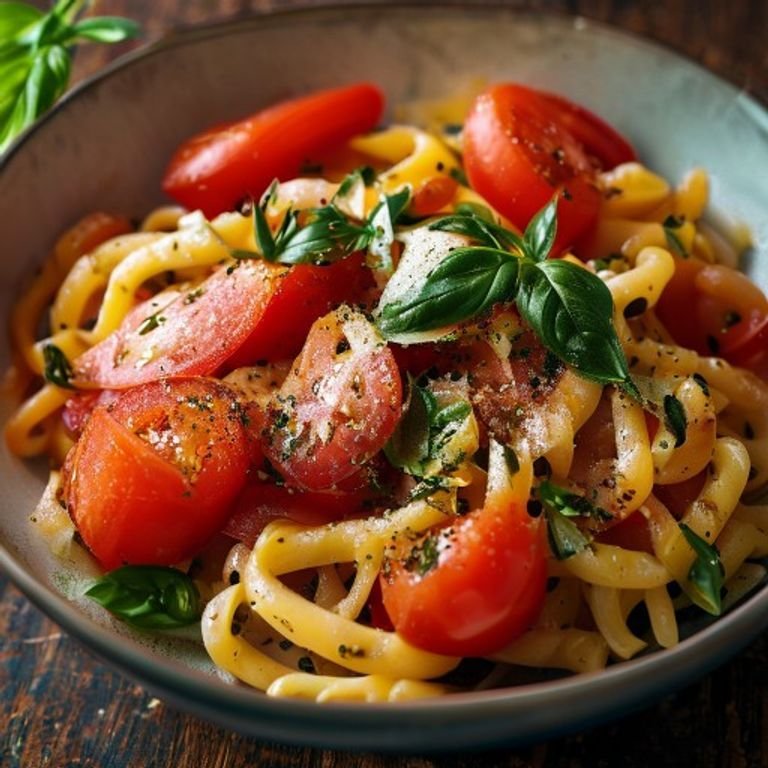
Welcome to the ultimate Creamy Tomato Basil Pasta recipe, a comforting dish that brings the fresh flavors of summer tomatoes and fragrant basil into a velvety sauce that clings to every strand of pasta. Whether you’re a seasoned chef or a kitchen novice, this recipe is designed to be simple, flavorful, and incredibly satisfying. The combination of ripe tomatoes, aromatic basil, and a touch of cream creates a luxurious texture that feels like a hug on a plate.
Ready to dive in? Check out our Recipes page for more ideas, or explore Easy Recipes for quick fixes. If you’re craving a hearty Dinner Recipe that won’t take hours in the kitchen, this dish is perfect, and you’ll love the Healthy Recipes section for nutritious twists. After enjoying this pasta, you might want to try a sweet finish with our Desserts collection.
Before we dive into the step‑by‑step instructions, let’s talk about why this dish has become a favorite for both week‑night dinners and special occasions. The key lies in its simplicity: a handful of high‑quality ingredients that work together to produce a sauce that’s rich yet bright. The fresh basil not only adds color but also a peppery freshness that balances the sweet tomatoes and smooth cream. And the best part? You can prep most of the components in advance, making it a perfect recipe for busy lifestyles.
Table of Contents
- Ingredients for Creamy Tomato Basil Pasta
- Equipment for Creamy Tomato Basil Pasta
- Step-by-Step Instructions for Creamy Tomato Basil Pasta
- Pro Tips
- Variations
- Storage Tips
- FAQ
- Video Tutorial
- Conclusion
Ingredients for Creamy Tomato Basil Pasta
These carefully selected ingredients combine to create a sauce that is both rich and bright. For a classic version, you’ll need:
- 12 ounces of your favorite pasta (spaghetti, fettuccine, or penne work wonderfully)
- 2 tablespoons extra‑virgin olive oil
- 4 cloves garlic, minced
- 1 can (28 ounces) whole‑blown San Marzano tomatoes, crushed by hand or with a spoon
- 1 cup heavy cream or coconut milk for a dairy‑free option
- 1 cup freshly grated Parmesan cheese (or a vegan cheese alternative)
- 1 cup fresh basil leaves, torn into small pieces
- 1 teaspoon sea salt, plus more to taste
- ½ teaspoon freshly ground black pepper
- Optional: pinch of red pepper flakes for a subtle heat
Feel free to adjust the quantities based on your portion size or dietary preferences. If you’re looking for a lower‑calorie version, swap the heavy cream for a lighter milk or a plant‑based cream. For a gluten‑free option, choose your favorite gluten‑free pasta and make sure the cheese is gluten‑free as well.
Equipment for Creamy Tomato Basil Pasta
Having the right tools makes the cooking process smoother and helps you achieve professional results at home. Gather the following:
- Large pot for boiling pasta
- Large skillet or saucepan for sauce
- Wooden spoon or silicone spatula
- Measuring spoons and cups (metric is fine too)
- Grater for cheese (micro‑grater is ideal for Parmesan)
- Strainer or colander for draining pasta
- Sharp knife and cutting board (for chopping basil)
- Serving bowl or individual plates (a decorative bowl adds a pop of color)
- Optional: Italian or French press for extra‑fresh basil juice (bonus)
With these items ready, you’re set to start the culinary adventure. If you’re short on space, a simple wooden spoon will do fine, but a silicone spatula helps keep the sauce from sticking when you stir.
Step-by-Step Instructions for Creamy Tomato Basil Pasta
1. Prepare the Pasta. Bring a large pot of salted water to a rolling boil. Add the pasta and cook according to package instructions until al dente. Reserve ¾ cup of pasta cooking water, then drain the pasta and set aside. This starchy water will help bind the sauce to the noodles later.
2. Sauté Aromatics. While the pasta cooks, heat the olive oil in a large skillet over medium heat. Add the minced garlic and cook until fragrant and lightly golden, about 1 minute. Be careful not to burn the garlic, as it will turn bitter.
3. Build the Base Sauce. Pour in the crushed San Marzano tomatoes and stir to combine with the garlic and oil. Bring the mixture to a gentle simmer and let it reduce for 8–10 minutes, allowing the flavors to meld and the sauce to thicken slightly. Stir occasionally to prevent sticking.
4. Add Cream and Cheese. Reduce the heat to low and stir in the heavy cream (or coconut milk). Allow the sauce to warm gently for 2–3 minutes before adding the grated Parmesan cheese. Stir until the cheese melts completely and the sauce becomes silky smooth. If the sauce seems too thick, add a splash of the reserved pasta water to reach your desired consistency.
5. Season and Finish. Mix in the torn basil leaves, sea salt, black pepper, and optional red pepper flakes. Taste and adjust seasoning as needed. The basil should be bright and aromatic, complementing the rich tomato base. If you prefer a slightly sweeter sauce, add a teaspoon of sugar or a splash of balsamic vinegar.
6. Combine Pasta and Sauce. Add the drained pasta to the skillet, tossing gently to coat each strand with the creamy tomato basil sauce. If the mixture appears dry, add a few more tablespoons of reserved pasta water until the desired consistency is achieved. Warm everything together for an additional minute so the pasta absorbs some of the sauce.
7. Serve Immediately. Transfer the pasta to serving bowls or plates. Garnish with extra basil leaves and a sprinkle of Parmesan if desired. Serve hot for maximum flavor. A sprinkle of freshly grated nutmeg can add an unexpected depth, but only if you’re adventurous.
8. Optional Add‑Ons. For a protein boost, top the pasta with grilled chicken, shrimp, or sautéed Italian sausage. For a vegetarian twist, stir in sautéed mushrooms, spinach, or roasted bell peppers. A drizzle of extra‑virgin olive oil or a splash of lemon juice right before serving can brighten the dish further.
9. Plate Presentation. Arrange the pasta in a shallow bowl or on a wide platter. Drizzle a little olive oil over the top, then sprinkle with a pinch of dried oregano or a few more basil leaves for a fresh finish. A lemon twist or a wedge of lemon on the side adds a citrusy aroma that elevates the entire plate.
10. Time Management Tips. If you’re cooking for a crowd, prepare the sauce in a large pan and keep it warm on low heat. Pasta can be reheated with a splash of water or milk to restore moisture. This makes it easy to serve the dish fresh even after a long preparation time.
Pro Tips
- Use Fresh Basil. Fresh basil offers a bright, peppery flavor; frozen basil can become mushy.
- Reserve Pasta Water. The starchy water helps bind the sauce to the pasta, creating a cohesive dish.
- Adjust Thickness. If you prefer a lighter sauce, reduce the amount of cream or add more pasta water.
- Make Ahead. The sauce can be made a day ahead and reheated gently, though the pasta should be served fresh for best texture.
- Cheese Alternatives. Try Pecorino Romano or a nutritional yeast blend for a vegan version.
- Spice Control. If you’re sensitive to heat, omit red pepper flakes entirely or use a pinch of smoked paprika for a smoky note.
- Flavor Layering. Add a splash of white wine during the tomato reduction for depth, and finish with a squeeze of lemon to cut through richness.
- Ingredient Quality. The quality of your tomatoes and basil directly impacts the flavor; choose ripe, fragrant produce whenever possible.
- Cooking Water Flavor. Salt the pasta water generously (about 1 tablespoon per pound of pasta) to season the noodles from the inside out.
- Serve Immediately. The sauce’s texture changes quickly after standing; serve hot for the best experience.
Variations
This Creamy Tomato Basil Pasta is a blank canvas. Experiment with protein additions such as grilled chicken, sautéed shrimp, or crumbled Italian sausage. For a vegetarian twist, incorporate mushrooms, spinach, or roasted bell peppers. If you want a lower‑fat version, replace heavy cream with Greek yogurt or a light ricotta. Adding a splash of white wine during the tomato reduction can deepen the sauce’s complexity. Swap Parmesan for a sharper Pecorino or a creamy goat cheese for a different flavor profile. For a holiday version, stir in roasted butternut squash or caramelized onions.
Another great twist is to swap the pasta type for something like rigatoni or penne rigate, which hold the sauce better. If you’re in a pinch, a small amount of sun‑dried tomatoes can add a chewy texture and a concentrated tomato flavor. For a spicy kick, mix in a tablespoon of harissa or a few drops of hot sauce. If you love a bit of crunch, sprinkle toasted pine nuts or crushed walnuts over the finished dish.
For a dairy‑free celebration, use a plant‑based Parmesan alternative and coconut cream; the result is a silky sauce with a subtle coconut undertone. For a low‑carb version, replace the pasta with spiralized zucchini or shirataki noodles, ensuring the sauce coats every noodle evenly.
Storage Tips
To keep the pasta fresh, store any leftovers in an airtight container in the refrigerator for up to 3 days. When reheating, add a splash of milk or pasta water to restore moisture. For longer storage, freeze the sauce (but not the pasta) for up to 2 months; thaw in the refrigerator overnight and reheat gently. When reheating, stir frequently to prevent separation. A quick spoonful of fresh basil added after reheating can revive the aroma.
When reheating the sauce, avoid high heat; gentle simmering on low heat allows the flavors to re‑blend without breaking the emulsion. If the sauce thickens upon cooling, simply whisk in a tablespoon of water or broth to loosen it. For the pasta, a quick steam or a splash of hot water in a microwave can help bring it back to its original al dente texture.
FAQ
- Can I use canned diced tomatoes instead of San Marzano? Yes, but San Marzano tomatoes give a sweeter, richer flavor. If using diced, crush them manually for better texture.
- What if I don’t have basil? Fresh parsley or oregano can substitute, though the flavor profile will change.
- Is it okay to add red pepper flakes? Absolutely; they add a gentle heat that complements the tomato.
- Can I make this without dairy? Use coconut milk or a dairy‑free cream alternative, and replace Parmesan with a vegan cheese.
- How do I keep the sauce from separating? Keep the heat low after adding cream, stir frequently, and use fresh, high‑quality cheese.
- Do I need to reserve pasta water? It’s optional but highly recommended because the starch helps the sauce cling to the noodles.
- Can I leave the sauce on the stove after the pasta is cooked? Yes, keeping the sauce on low heat prevents it from thickening too much while you finish the pasta.
- What’s the best pasta shape for this sauce? Long strands like spaghetti or fettuccine cling well, but tube shapes like penne or rigatoni also work beautifully.
- How do I prevent the basil from wilting? Add fresh basil at the very end of cooking, or sprinkle it on top just before serving.
- Can I add cheese after serving? Absolutely; a light dusting of Parmesan right before eating enhances the flavor.
Video Tutorial
Watch our step‑by‑step video guide that visualizes every part of the Creamy Tomato Basil Pasta preparation. Click here to view the tutorial.
Conclusion
This Creamy Tomato Basil Pasta is a testament to how simple ingredients can create a dish that feels both homemade and upscale. By following the detailed steps and pro tips above, you’ll craft a meal that is comforting, flavorful, and adaptable to any dietary preference. Serve it as a hearty dinner for friends and family, or keep it on hand for a quick week‑night fix. Bon appétit!